


Blog
07 Sep,2026


How Should Restaurants Plan Plate Presentation? A Guide to Color, Texture, Pattern, and Form
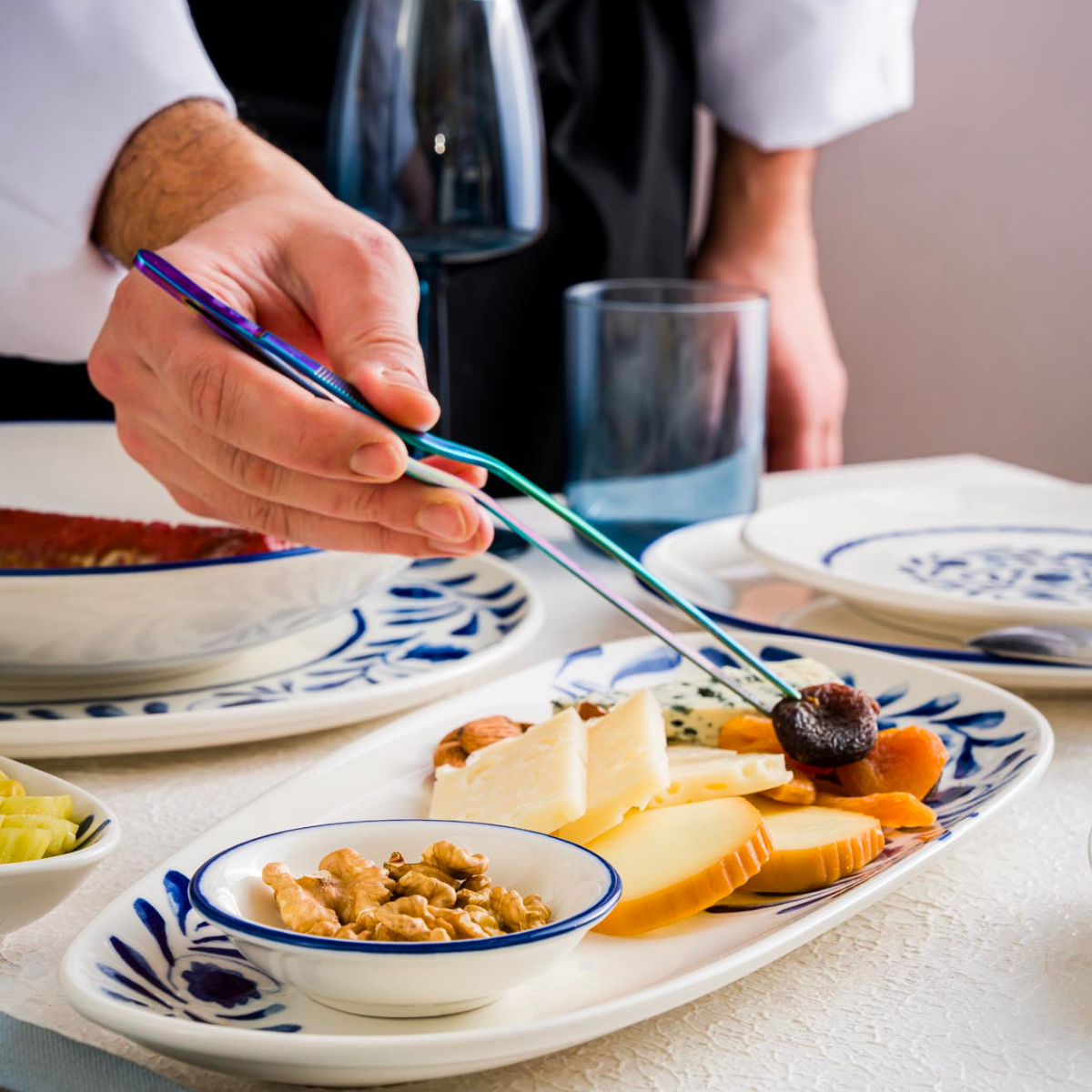
How Should Restaurants Plan Plate Presentation? A Guide to Color, Texture, Pattern, and Form
The right plate supports both the appearance of a dish and the restaurant’s presentation language. Color, texture, pattern, and form should be selected by considering the menu, the venue concept, and service conditions together.
A bistro and a restaurant focused on local cuisine do not have the same presentation needs. Seafood dishes, breakfast service, and tasting menus also call for different plate choices.
Plate presentation is therefore more than an aesthetic decision. It is a planning tool that connects the menu with the style of service.
What Should Be Considered When Planning Plate Presentation?
A plate creates the visual frame around a dish. The right color can help the food stand out, while the form determines how the presentation is arranged.
Pattern and texture bring the restaurant’s concept to the table.
Four questions should be considered when choosing restaurant plates:
• Which dishes lead the menu?
• What kind of contrast should the plate create with the food?
• How is the restaurant’s culinary and design identity defined?
• How will the products be carried, washed, and stacked during service?
These questions help bring aesthetic preferences and operational needs into the same decision.
How to Create a Minimalist Plate Presentation
Minimalist presentation is not about leaving the plate empty. It is about making the main element of the dish visible.
Instead of complex decoration, the focus shifts to one principal ingredient, controlled negative space, and balanced sauce placement.
Positioning sauces closer to the center rather than spreading them around the rim strengthens the focal point. Matte and textured surfaces can also create a calmer background for the colors of the food.
Bonna’s dark-toned collections, such as Fuji, complement presentations that use color and texture to distinguish the main ingredient.
How Should Plate Color Be Chosen?
Plate color should be selected according to its relationship with the colors of the food. Dark tones can contrast with light and brightly colored ingredients, while blue and green tones can complement seafood and vegetable-led dishes.
Cream and earth tones create a more natural presentation language.
Which Dishes Work Well on Black Plates?
Black plates provide a strong background for white fish, seafood, light-colored sauces, and bright vegetables. A dark surface can define the colors and textures of the dish while creating a more focused presentation.
Lavis Black uses brushstroke patterns around the center of the plate to keep the food in focus. The balance between matte and glossy finishes helps make the layers of the presentation visible.
Mediterranean-Inspired Presentations with Blue and Green Plates
Blue and green tones can be used in presentations inspired by the colors of the Mediterranean. Seafood, fresh vegetables, and colorful starters create a balanced composition with these shades.
Lavis Blue and Lavis Green combine brushstroke patterns with blue and green color palettes. Both collections support Mediterranean- and Italian-inspired menus while keeping the food at the center of the presentation.
Natural Presentations with Cream, Beige, and Earth Tones
Cream, beige, and earth tones provide a natural background for food. They are particularly suitable for presentations designed to highlight the texture and simplicity of the ingredients.
Collections such as Cresta Bazalith, Granix, Graphite, and Tone Bazalith create an earth-inspired table language through matte and textured surfaces. This approach complements understated presentations that place the ingredient at the center.
How Do Patterned Plates Support the Menu’s Story?
Patterned plates can carry the cultural narrative of a menu into its presentation. The pattern should not compete with the food.
It should provide a frame that complements the restaurant’s culinary identity.
The Kadim collection accompanies local culinary narratives with patterns inspired by Turkish tile art. Characteristic dishes of Turkish cuisine, including olive oil dishes, slow-cooked meats, and pilafs, can be presented with Kadim in a way that reflects their roots.
The plate then becomes more than a surface for serving food. It becomes part of the menu’s narrative.
Plate Selection for Bistro and Artisan Bakery Presentations
Distinctive rims, light colors, and a warm table setting can take the lead in bistro and artisan bakery presentations. Quiche, croissants, desserts, and coffee can be served on forms that retain a classic appearance without overpowering the texture of the food.
The Nicole collection suits these settings with its fine-edged form and references to French bistro aesthetics. Combined with different rustic pieces, Nicole can become part of a warm, layered table setting.
Is Aesthetics Alone Enough When Choosing Restaurant Plates?
No. Service, storage, and usage conditions should be considered alongside aesthetics when choosing restaurant plates.
Stackability, efficient use of kitchen space, and compatibility with the service cycle are particularly important for high-volume operations.
The stackable forms in the Lavis collection support efficient kitchen storage. Selected Lavis products are also covered by Bonna’s lifetime edge chip warranty.
The relevant warranty terms should be checked for the selected product.
Plate Selection Recommendations by Menu and Concept
• Minimalist presentations: Simple arrangements and matte surfaces that keep the main ingredient visible
• Seafood and fresh vegetables: Blue and green tones such as Lavis Blue and Lavis Green
• Light-colored dishes and bright garnishes: Dark backgrounds such as Lavis Black or Fuji
• Menus connected to nature and the earth: Natural tones such as Cresta Bazalith, Granix, Graphite, and Tone Bazalith
• Turkish cuisine and local narratives: Collections with cultural patterns, such as Kadim
• Bistro and artisan bakery concepts: Light-colored forms with distinctive rims, such as Nicole
• High-volume service: Stackable products with a confirmed warranty scope
Frequently Asked Questions
What should be considered first when choosing restaurant plates?
Start with the menu and the style of service. Color and pattern should be considered alongside the appearance of the food, while form should support portioning and service flow.
Do black plates make food look more appetizing?
A black plate can create clear contrast with light-colored food and bright garnishes. The result depends on the color of the dish and the surface characteristics of the plate.
What types of restaurants can use patterned plates?
Patterned plates can be used by restaurants with a clearly defined culinary identity. When the menu has a local or cultural narrative, the pattern can support the story of the food.
Should plate color match the restaurant concept?
Yes. Plate color should complement not only the food but also the table setting and the overall design of the venue.
This visual consistency helps maintain the restaurant’s presentation language throughout service.
Conclusion
Plate presentation in restaurants is planned by considering color, texture, pattern, form, and usage conditions together. A minimalist plate can bring the food into focus, a dark background can create contrast, and a cultural pattern can make the roots of the menu more visible.
Bonna collections offer color, pattern, and form options for different cuisines and service scenarios. Selecting a collection that fits the menu and restaurant concept is the first step toward building a consistent table language.